Understanding the basics of gambling A beginner's guide to the odds
What is Gambling?
Gambling is the act of risking something of value, typically money, on an event with an uncertain outcome. This practice can be traced back centuries and encompasses a wide variety of activities, from playing cards to betting on sports events. The thrill of gambling lies in the uncertainty and the potential for reward, which can lead to an exhilarating experience. However, understanding the implications of gambling is crucial, especially for newcomers who might be lured in by the excitement. If you’re interested in an entertaining experience, you might enjoy Le Fisherman, a game with a whimsical theme.
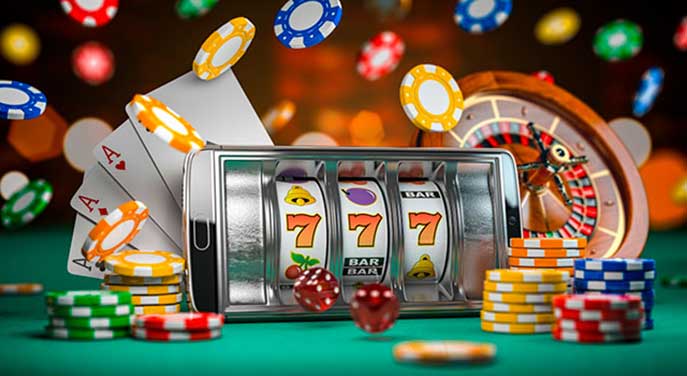
At its core, gambling is often categorized into two main types: games of chance and games of skill. Games of chance, such as slot machines and roulette, rely on random outcomes, making it impossible to influence the result. Conversely, games of skill, like poker, allow players to use strategies to increase their chances of winning. Familiarizing yourself with these categories can help you make more informed decisions about which games to play.
The legal landscape surrounding gambling varies significantly from one region to another. Some places embrace it wholeheartedly, allowing casinos, sports betting, and online gambling, while others impose strict regulations or outright bans. Understanding the legal context in your area is essential to ensure a safe and responsible gambling experience. This knowledge will empower you to enjoy gambling without risking legal repercussions.
Understanding Gambling Odds
Odds are fundamental to the gambling experience, representing the likelihood of a specific outcome occurring. They come in various formats, including fractional, decimal, and moneyline odds. For beginners, it is crucial to understand these formats as they indicate not only the probability of winning but also how much you can potentially win based on your wager. For example, decimal odds of 2.00 imply a 50% chance of winning and suggest that your total return will be double your stake.
When considering odds, it is also important to recognize the house edge, which is the casino’s built-in advantage over players. This edge varies across different games and affects the overall payout and your chances of winning in the long run. For instance, in games like blackjack, skilled players can minimize the house edge, whereas slots generally have a higher house edge. Understanding these dynamics will help you select games that best suit your playing style and risk tolerance.
Calculating odds and probabilities can seem daunting at first, but it is a valuable skill for any gambler. To calculate the implied probability from decimal odds, simply divide one by the odds and multiply by 100. This will provide you with a percentage that represents the likelihood of that outcome. By understanding and utilizing these calculations, you can make more informed betting decisions and enhance your overall gambling experience.
The Importance of Bankroll Management
Effective bankroll management is a crucial aspect of responsible gambling. It involves setting a budget for how much you are willing to spend and sticking to that limit. By establishing a clear bankroll, you can prevent impulsive decisions and avoid chasing losses, which can lead to further financial difficulties. Consider allocating a specific amount for each gambling session and use that as your guide throughout the experience.
One useful strategy in bankroll management is the concept of unit betting, where players determine a single unit value representing a small percentage of their total bankroll. This method allows for a structured approach to betting, ensuring that you do not wager more than you can afford to lose. For example, if your bankroll is $1,000, a unit bet of $10 means you are risking only 1% of your total funds per bet. This ensures longevity in your gambling activities.
Moreover, regularly reviewing your bankroll and adjusting your betting strategy accordingly is essential. As you win or lose, your bankroll will change, and adapting your unit size will help you stay within your financial limits. By practicing sound bankroll management, you can enjoy the thrill of gambling without the stress of financial strain, enhancing your overall experience.
The Psychology of Gambling
The psychological aspects of gambling play a significant role in why people choose to participate in these activities. The thrill of winning can trigger a release of dopamine, the brain’s reward chemical, creating a sense of excitement and euphoria. This response can lead to a cycle of chasing wins, even when the odds are not favorable. Understanding the psychological triggers of gambling can help you maintain a healthy relationship with it.
Many gamblers experience what is known as the “gambler’s fallacy,” a cognitive bias that leads them to believe that past events influence future outcomes. For example, if a roulette ball lands on red multiple times in a row, a player may incorrectly assume that black is “due” to win. Recognizing these cognitive biases is essential for making rational decisions and avoiding pitfalls that can lead to excessive gambling.
Additionally, gambling can serve various psychological needs, such as escapism or social interaction. While these elements can enhance the enjoyment of gambling, they can also mask underlying issues such as stress or anxiety. Awareness of your motivations for gambling can help you strike a balance and engage in responsible practices that align with your overall well-being.

Conclusion: Explore and Learn More
Understanding the basics of gambling and the importance of odds is essential for anyone looking to embark on this thrilling journey. By grasping the various concepts discussed in this guide, beginners can approach gambling with greater confidence and knowledge. Learning about the different types of games, how to read odds, and managing your bankroll can significantly enhance your experience.
As you explore the world of gambling, remember that it should always be approached with caution and mindfulness. Responsible gambling practices not only protect your finances but also contribute to a more enjoyable experience. By continuously educating yourself about gambling strategies and psychology, you will be better equipped to navigate the complex landscape of this popular pastime.